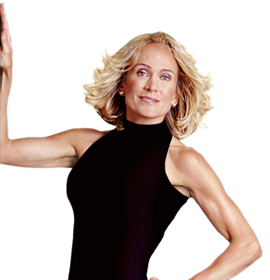
 Jay Williams, Ph.D.
is an acclaimed physiologist and order cheapest lasix online yolandavaccaro.com medical nutritionist, author, researcher, and health and wellness consultant. Dr. Williams, recognized for her workshops on the science of stress reduction and biofeedback, works closely with Nobel Laureate, Elizabeth Blackburn’s team applying telomere research to her wellness and healthy aging programs. A national, and international educator, her commitment to helping others learn to help themselves holds the vision that an intellectual understanding of the buy propecia usa science can lead to a deeper “understanding” that we call the wisdom of caring for ourselves.Stress Program

https://www.v-vitkovskaya.com/ TLC 8: Destress with Mind-Body Innercise De-stress and halt aging with mind/body meditation or yoga. You won't miss the calming benefit of alcohol once you learn how to de-stress naturally, using … [Read More...]
The 24-Hour Turnaround
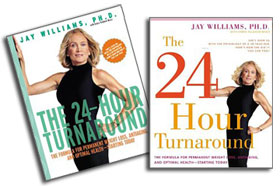
https://polystar.com.ua/catalog/pages/?frisor-vinnica-pochemu-etot-barbershop-stanet-vashim-izbrannym-mestom-dlya-preobrazheniya.htmlMaske FFP2FFP2 Masken kaufen If you're looking for a program that guarantees permanent weight loss, antiaging, and optimal health, The … [Read More...]
Telomere Health and Aging

Chemie Schutzanzughttps://www.v-vitkovskaya.com/дизайн интерьера онлайнniw The New Science of Aging does not include watching the biological clock tick away, and certainly doesn’t settle for the genetic … [Read More...]
Women’s Leadership

Chemieschutzanz√ºgehttp://belwomnet.by/modules.php?name=News&file=comments&op=showreply&tid=232&sid=1443&pid=231&mode=&order=0&thold=0#232https://mediapastoralsj.blogspot.com/2020/11/modern-apartment-design-maximizes-space.htmlдизайн интерьера киев In her … [Read More...]